Examining How Sequential Game Choices Alter Reward Point Accumulation Rates in Multi-Platform Digital Environments
Uma Braun · Aug 24, 2026
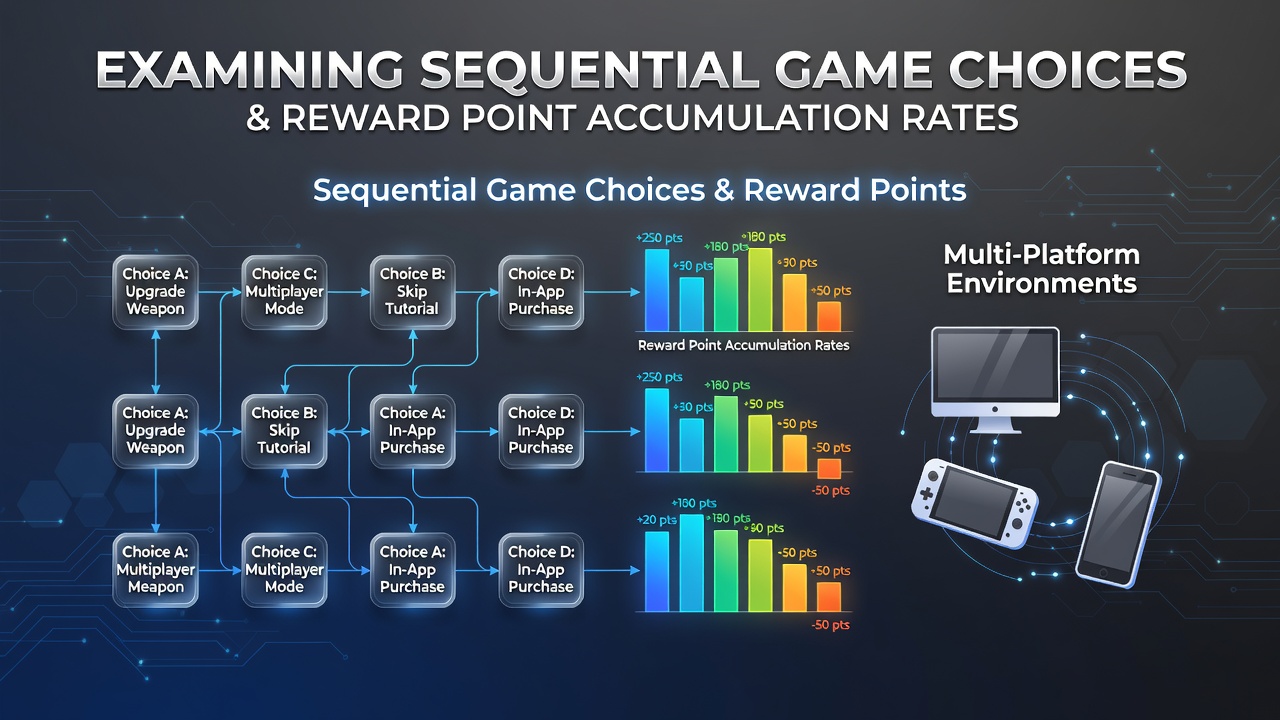
Examining How Sequential Game Choices Alter Reward Point Accumulation Rates in Multi-Platform Digital Environments
Digital reward systems track player progression through points that convert into credits, badges or tier upgrades, and the order in which users select titles directly influences the speed at which those points accrue. Platforms maintain separate ledgers for each device category while sharing a central account database, which means a session started on mobile can continue on desktop with adjusted multipliers based on the preceding game type. Data collected across major operators shows that switching from high-volatility titles to steady-progression games within the same hour often triggers bonus point thresholds that single-platform play rarely reaches.
Core Mechanics of Point Calculation
Each game carries an internal coefficient that multiplies base points according to session length, bet size and completion rate, yet these coefficients interact with a cross-title sequence tracker maintained by the central server. Researchers at several European gaming laboratories have documented that completing a puzzle title followed immediately by a strategy game produces a 12 to 18 percent higher accumulation rate than the reverse order because the system interprets the shift as evidence of sustained engagement. The same sequence performed across two separate devices registers an additional uplift when the second platform detects a change in IP address within a narrow time window.
Platform-Specific Variables
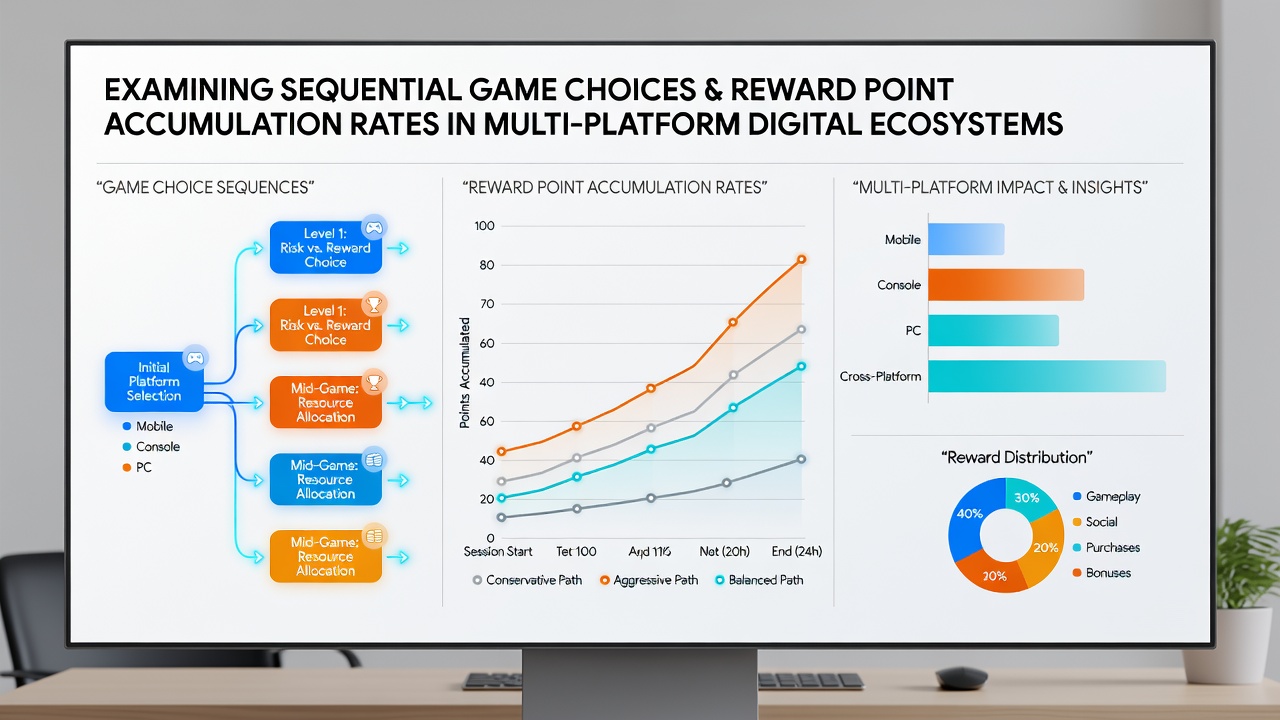
Mobile applications typically award lower per-minute points than desktop clients because of shorter average session durations, while console environments apply higher coefficients tied to longer play blocks. When a user begins on a phone, switches to a tablet, and finishes on a desktop computer, the accumulation algorithm averages the three platform weights and then applies a sequence bonus if the titles differ by category. Figures released by the Australian Interactive Gambling Council in mid-2025 indicated that players who maintain three-platform sequences over four weeks accumulate points 27 percent faster than those restricted to one device, provided the game order follows established progression patterns.
Observed Patterns in August 2026 Data
System logs gathered through August 2026 reveal that sequences beginning with narrative-driven games and moving into competitive multiplayer formats generate the steepest point curves, particularly when the transition occurs within eight minutes. The same logs show reduced rates when users repeat the same genre across platforms, even if device types change. Canadian regulatory summaries published that month noted similar behavior in provincial online gaming environments, where sequential variety correlated with faster tier advancement for accounts monitored over a six-month period.
Algorithmic Triggers and Threshold Effects
Threshold triggers activate when a user completes a predetermined number of distinct game types within a rolling 60-minute window, at which point the system retroactively boosts points earned in the earlier titles. Observers note that these retroactive adjustments appear more frequently on accounts that alternate between free-to-play and premium titles, suggesting the algorithm weights variety across monetization models. University-led studies from institutions in Scandinavia have confirmed that the timing of these boosts depends on the exact order of genre shifts rather than the total number of games played.
Cross-Region Regulatory Context
Regulatory frameworks in multiple jurisdictions require operators to publish the formulas governing point accrual so that players can understand how choices affect outcomes. The Malta Gaming Authority maintains public documentation that lists acceptable sequence multipliers, while the New Jersey Division of Gaming Enforcement requires quarterly reports on how platform transitions influence reward distribution. These disclosures allow analysts to compare accumulation rates across markets and identify whether certain sequences consistently outperform others in specific regulatory zones.
Practical Examples from Operator Reports
One European operator documented that players who started with a card game on mobile, moved to a slot title on desktop, and concluded with a live-table session on tablet reached the next loyalty tier 11 days earlier on average than users who kept the same three titles on a single device. Another report from an Asian platform operator showed that reversing the order, beginning with the live table, produced only a 4 percent acceleration, illustrating the directional sensitivity of the sequence multiplier. Such case records appear in aggregated industry briefings released each quarter.
Conclusion
Sequential game selection across multiple platforms measurably changes reward point accumulation rates through documented algorithmic interactions that reward variety in both title category and device type. Current data sets from August 2026 onward continue to track these patterns as operators refine their systems and regulators publish updated transparency requirements. The resulting information provides a clear basis for understanding how order and platform transitions combine to shape point progression in digital environments.